

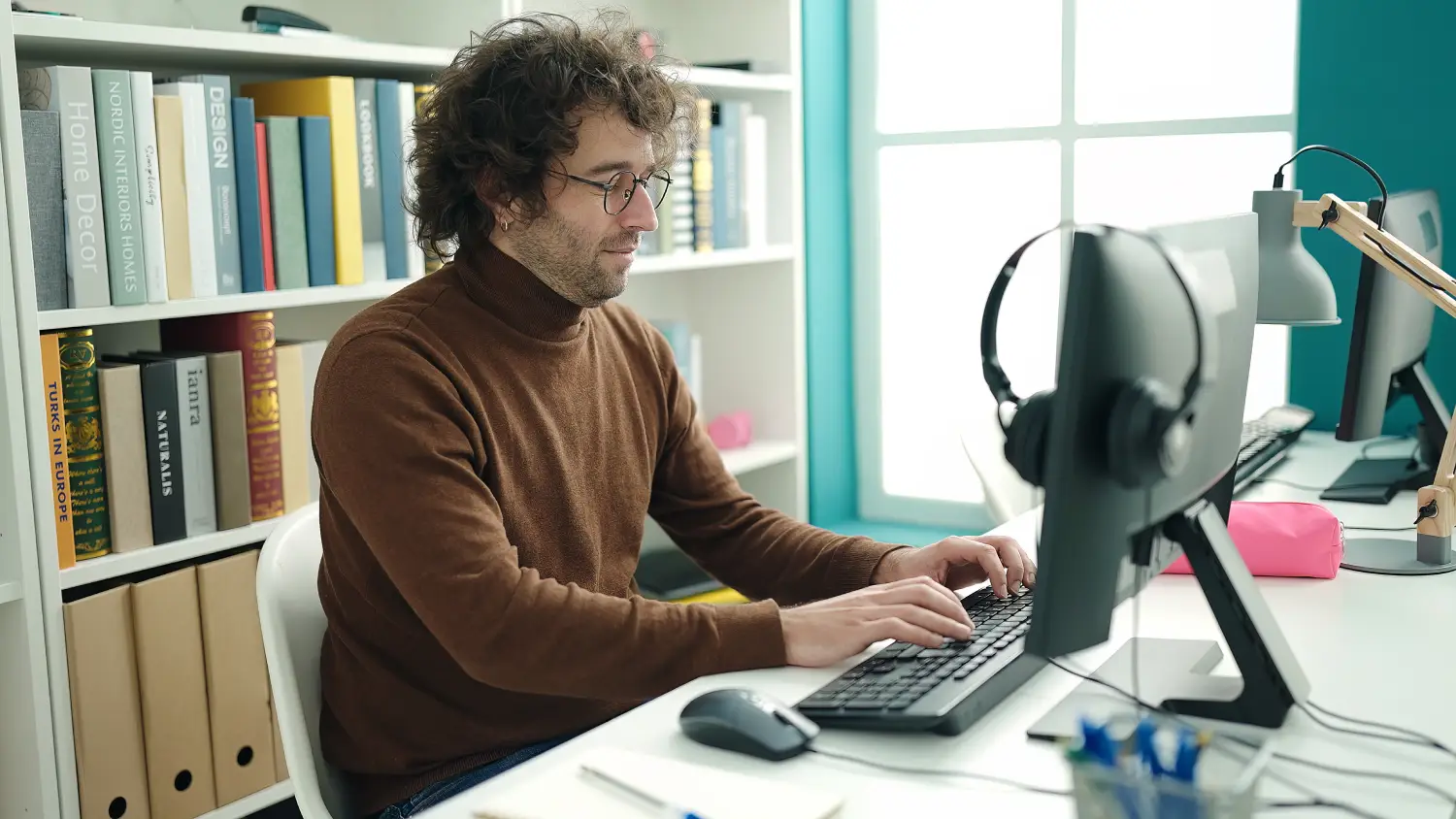
Desktop computers are still significant in the contemporary education and self-learning. Desktop environments are used by many students, professionals and curious learners to access information, acquire new skills, and research in a variety of fields of knowledge. The desktop computer has become a mighty gateway to education opportunities with the assistance of digital platforms and learning resources.
The number of online learning resources has grown in the recent years. There is an extensive variety of lessons on diverse subjects, including science and technology, art and communication, available on educational websites, digital libraries, and course platforms. The desktop computers enable one to learn these contents in a comfortable environment as they explore various materials simultaneously.
Desktop systems are more beneficial in the sense that they have larger screens and that one can multitask during learning. Students have access to the instructional videos in order to watch them and at the same time make notes, read articles, or do assignments. It is also flexible so that learners can develop more profound knowledge by interacting with various types of educational material simultaneously.
There are also specialized software programs that are used in education in most professional fields. To illustrate, students studying design might need to use a graphic software whereas students studying programming need to use coding surroundings and developmental tools. These applications usually demand constant computing power which can be effectively delivered by the desktop systems.
The other benefit of the desktop technology is accessibility of massive online reading content. Students can use academic articles, educational databases and online publications to obtain reliable information in a short time. Learners can maintain their key study materials with well arranged bookmarks and online folders.
Cooperation has now become a significant aspect of online learning. The internet can also allow the students to engage in discussions, exchange documents and collaborate on group projects. Desktop computers facilitate these interactions because they have the capability of facilitating communications, research and writing activities in a single work environment.
Another way that desktop technology promotes independent learning is through desktop technology. People have an opportunity to view tutorials, take online classes and rehearse new skills in their own time. This flexibility enables the learners to develop knowledge at a slow pace and adjust their study programs to their own time.
DESKTOPVEGAS.COM, in its turn, discusses the role of desktop computing environments in supporting the contemporary education and digital learning experience.
One of the key benefits of slow entertainment is improved attention span. By reducing constant stimulation, the mind regains its natural ability to focus deeply. This strengthens cognitive endurance and enhances productivity in daily tasks.
Slow entertainment also reduces emotional reactivity. Fast stimulation often triggers impulsive responses, whereas calm engagement encourages reflection and thoughtful decision-making. This shift supports emotional stability and reduces stress.
Another advantage is enhanced sensory awareness. Slow entertainment encourages individuals to fully experience the present moment. This mindfulness reduces anxiety related to past or future concerns, fostering a sense of peace and contentment.
Social slow entertainment further strengthens emotional well-being. Shared activities such as relaxed conversations or leisurely walks create meaningful connections and reduce feelings of isolation.
Mental recreation awareness emphasizes intentional choice in adopting slow entertainment habits. Limiting exposure to overstimulating content and consciously selecting calming activities ensures sustainable emotional benefits.
Ultimately, slow entertainment supports mental calmness by restoring natural cognitive rhythms. By integrating slower forms of recreation into daily life, individuals protect emotional stability, improve focus, and cultivate long-term psychological well-being.